
I don’t know much about John Hodo except that he was important to Momma. He had a wife, although their legal marital status was murky. She was ample-sized, matching John’s burly frame.
They lived at the end of a dirt road in a wooden house that had seen better days. It had a large front porch with the obligatory rocking chairs and a smaller back porch with a manual crank washer. To a sleepy six-year-old, it didn’t look like much.
The bumpy road, riddled with potholes from the big rain a few weeks ago, was dusty. Momma woke us to let us know we were almost there and to roll up our windows to keep out the dust.
She was more excited than usual. She hadn’t seen John since she left Corinth. I had heard stories of how he watched after her, but I didn’t pay much attention. My cartoons were starting soon, and I would not be late for Johnny Quest. So I half-heartedly listened while watching the wall clock behind her.
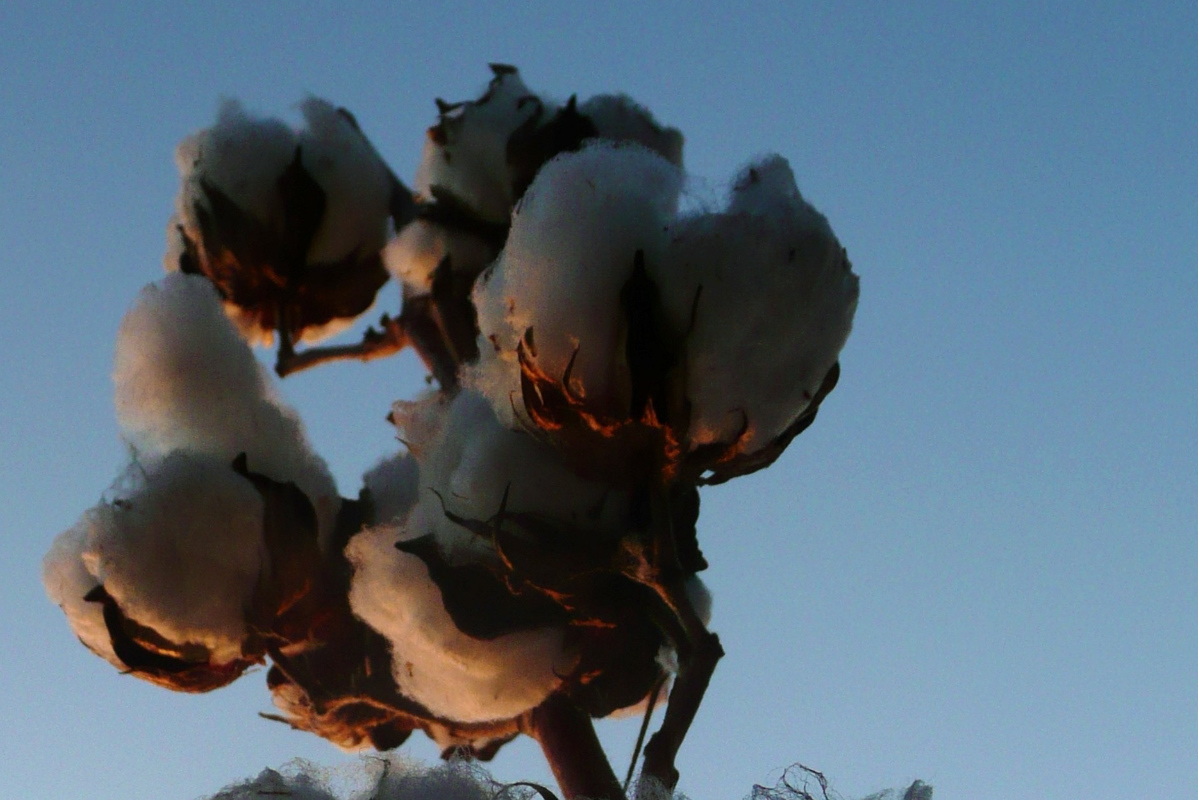
As a child, Momma picked cotton with the sharecroppers and grandchildren of slaves. They worked hard. Complaining didn’t help, so no one did. They worked in the brutal Mississippi sun and thanked God they were alive and able to do it.
Momma was working in the fields before she started first grade. Being the littlest one, with her pale white skin and curly light blond hair, she stood out. With no parental supervision in sight, John and the other workers watched her, hawk-eyed, determined to keep their Little Maggie safe.
Cottonmouth snakes were abundant in the fields. The seasoned field hands knew the signs that one was near or about to strike. Momma learned quickly, but there were still close calls. As she was putting a handful of cotton in her basket, the woman next to her slapped her hand.
“Be careful. Looka there. A snake spit its poison in your basket. Always keep your eyes open.”
Another time, John pushed her out of the way of a snake that was about to strike. It was one of many times that he was there to protect her from harm.
At the end of the day, everyone made sure Momma had made her quota. If she looked short, they would sneak some into her basket. If it wasn’t enough, there would be hell to pay when she got home, and none of them would be able to help.
Momma grew up hard. Her momma, Lila, liked her men bad. Of her five husbands, they ran the gamut of badness – mean, abusive, shiftless, and drunks. The latter was ironic because Lila didn’t drink. It was a sorry list.
Her first husband was Momma’s daddy. By all accounts, he was a good man. The only one in the bunch who was. He came from a wealthy family in Alabama that didn’t like a woman like Lila. She wasn’t from a wealthy family, and she didn’t have a good reputation. To them, she was just a gold-digging floozy.
They divorced when Momma was three. My aunts talked about how devastated he was that he would never see his baby again. They were also angry with Lila for letting a good man go. She wouldn’t find another like him, they warned. From then on, she set out to prove them right. The saying “bad boys need lovin’, too,” became her mantra. One she chanted with zeal.
Momma’s life soon became a very long nightmare, filled with endless abuse, physical and sexual. Her mother was no help. Her teachers were helpless. And as much as she loved going to church, she didn’t get help there either.
That’s why John Hodo was so important to her. He watched out for her. She was safe when he was around.
As we got halfway up the road, with a dust storm trailing us, John’s wife came out in a simple house dress and apron to see who was coming up the drive.
When she recognized who was in the car, she excitedly waved her hands, “John, get out here. It’s Maggie! It’s our Little Maggie. And John, she’s got her babies with her. Oh, our Maggie is home!”
He came running out of the house, jumped off the porch, and grabbed Momma in a delicious bear hug so tight I thought she was going to pass out. He lifted her off the ground and swung her around as he sobbed with joy at seeing her.
After more hugs and tears, we went inside. Their living room was sparse, with a big box fan in the middle. A worn sofa, a rocker, and an old, scratched-up coffee table. It wasn’t much, but I felt a lot of love there.
Things weren’t always good for Momma. But no matter how bad things got under the burning sun in the cotton fields, John Hodo and the other workers kept their eyes on her. They wouldn’t let anything happen to Little Maggie.
Momma went on to raise two children, three grandchildren, and she was an incredible Memaw to lots of great-grandchildren. Her path wasn’t easy, but she overcame it. She survived.
Meeting John Hodo and his wife helped me understand why it mattered so much for her to see them again. I felt honored to sit with them as they reminisced about those days. I didn’t understand everything, but Momma’s happiness at being with them again was enough.
As we were leaving, I stood up straight, put my hand out like a little man, and shook John Hodo’s hand, thanking him for taking good care of my momma.
He smiled, squeezed my hand, and said, “Now it’s your turn. Take good care of our Little Maggie.”
I promised him I would. In her final days, I kept hearing John Hodo’s words, “Take care of our Little Maggie. Take good care of her.”